When it comes to dumpster rentals, a well-planned technique is important to assure a trouble-free experience. Start by determining your waste disposal needs, classifying waste, and estimating the required dumpster size Choose the ideal dumpster size, varying from 10 to 40 cubic yards, to stop extra rental expenses or lost room. Understand the rental period options, from 7 to 14 days, and get ready for delivery by getting rid of the site and confirming required authorizations. Load the dumpster securely by loading hefty things initially and adhering to safety guidelines By complying with these actions, you'll be well on your way to an effective dumpster rental experience; currently, discover just how to tackle the continuing to be actions to ensure a smooth project.
Determining Your Waste Disposal Needs
When determining your waste disposal needs, consider the kind and amount of products to be discarded.
Separate waste into groups, such as construction https://telegra.ph/Dumpster-Rentals-101-Success-Tips-10-25 debris, home garbage, and recyclables. This partition assists approximate the required dumpster dimension and rental duration.
Additionally, think of the project's timeline, including the start and end days, to ensure the dumpster is supplied and gotten accordingly.
Choosing the Right Dumpster Size
Accurate estimation of waste disposal needs normally leads to the question of what dimension dumpster is needed to fit the set apart waste. The best dumpster size is vital to ensure efficient waste management and stay clear of additional costs.
Dumpster sizes differ, generally ranging from 10 to 40 cubic yards. A 10-yard dumpster, appropriate for tiny projects, can hold about 2-3 pickup truck tons of waste. A 20-yard dumpster, suitable for medium-sized projects, can hold about 4-6 pickup loads.
Larger dumpsters, such as 30- and 40-yard systems, are much better suited for large-scale projects and can hold 8-12 pickup loads or more.
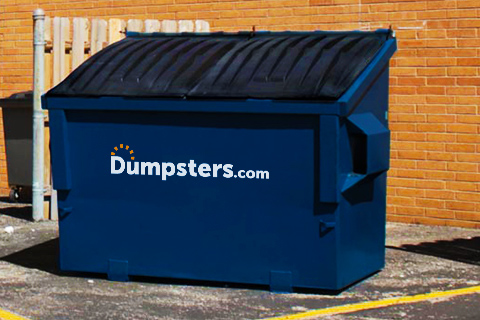
When choosing a dumpster dimension, take into consideration the type and quantity of waste, along with the available space for the dumpster at your job site. It's essential to choose a dimension that can fit your garbage disposal needs without being also small or too large.
A dumpster that's as well tiny may require several leasings, including in the overall cost, while a dumpster that's too huge might lead to lost space and unneeded expenses.
Understanding Rental Duration Options
With the appropriate dumpster size in position, interest turns to the rental duration, a considerable facet of waste administration that can substantially affect project timelines and budgets.

The rental period determines how much time you'll have the dumpster on-site, and selecting the right duration is vital to staying on routine and within budget.
Understanding your rental period options is important to an effective waste monitoring strategy. Here are four key factors to consider:
Standard Rental Periods: The majority of dumpster rental companies use basic leasing durations, normally ranging from 7 to 14 days.
Short-Term Rentals: If you require a dumpster for a shorter duration, some companies offer everyday or weekly rentals.
Long-Term Rentals: For bigger projects or continuous building and construction, long-term services (approximately numerous months) might be necessary.
Flexible Rental Periods: Some business provide versatile service durations, enabling you to readjust the duration as needed.
Preparing for Dumpster Delivery
Having secured the excellent dumpster size and rental period, attention now shifts to guaranteeing a seamless delivery process This includes preparing the shipment site to suit the dumpster, assuring a hassle-free experience for both you and the distribution team.
Begin by removing the area where the dumpster will be positioned, getting rid of any type of obstacles or particles that may hinder delivery. Assurance the surface is degree and firm, as uneven or soft ground can trigger the dumpster to move or come to be unstable.
If the dumpster will certainly be put on a driveway or road, check with regional authorities to obtain any type of necessary permits or approvals. Furthermore, mark the distribution location with clear signage or cones to lead the delivery team and stop any confusion.
Filling the Dumpster Safely
Properly loading a dumpster is important to guarantee a successful waste administration task. This vital action warranties that you take full advantage of the dumpster's capacity while keeping security and preventing prospective issues.
To load the dumpster safely and efficiently, follow these guidelines:
Load heavy products first: Location hefty materials like building and construction particles, furnishings, and home appliances at the end of the dumpster to prevent lighter items from getting crushed.
Fill in layers: Organize waste right into layers, separating different sorts of products to avoid mixing and contamination.
Avoid overfilling: Leave sufficient room to allow for simple disposal and transportation; overfilling can cause safety and security hazards and extra fees.
Keep restricted products out: Avoid dealing with hazardous products, electronic devices, and other forbidden items to stay clear of ecological damage and lawful issues.
Managing Unanticipated Issues
Despite mindful planning, unexpected issues can still occur throughout a dumpster rental project It's important to be prepared and recognize just how to take care of these unforeseen problems.
One common concern is the dumpster being supplied to the wrong area or at the wrong time. To avoid this, verify the delivery details with the rental firm and verify somebody is present to obtain the dumpster.
Another possible concern is the dumpster being too small or too huge for the job. Be prepared to adjust your rental size or period if needed.
Additionally, inclement weather can cause concerns, such as making it challenging to access the dumpster. Have a strategy in place for different disposal approaches if needed.
Finally, know any type of local regulations or limitations that might influence your dumpster service. By being planned for these possible problems, you can reduce delays and ensure a successful project
Remember to remain calm, interact successfully with the rental business, and be flexible to get rid of any type of unforeseen challenges that might arise.