Renting a dumpster can be streamlined by following 10 simple steps. Start by evaluating your task's scope and waste generation approximates to determine the required dumpster size and frequency. Next, pick a reputable rental company that satisfies neighborhood regulations and compliance criteria. Make sure you recognize neighborhood permits and policies, and timetable a hassle-free shipment time. Load the dumpster successfully, manage hazardous waste materials, and extend or end the rental period as needed. Lastly, finalize the rental agreement with clear terms and prices. By adhering to these actions, you'll be well on your way to an effective project result, and understanding the nuances of each step will help you navigate the procedure with confidence.
Determine Your Dumpster Needs
When taking on a project that includes considerable waste generation, establishing your dumpster needs is an essential action in assuring a smooth and efficient procedure. Failing to do so can lead to delays, boosted costs, and also ecological hazards.
To prevent these problems, it's vital to assess the extent of your task and estimate the quantity of waste you'll create. Take into consideration the sort of products you'll be https://telegra.ph/DIY-Projects-Made-Easy-Why-You-Ought-To-Rent-a-Dumpster-10-27 dealing with, the duration of the job, and the variety of employees entailed. This will help you recognize the regularity of dumpster draining and the essential dumpster capacity.
Additionally, think of any kind of specific regulations or constraints in your area that might influence your dumpster needs. By putting in the time to establish your dumpster requires, you can assure a smooth waste administration process that satisfies your project's demands and maintains your website tidy and safe.
This positive method will certainly additionally assist you budget accurately and avoid expensive shocks down the line.
Choose the Right Dumpster Size
Selecting the ideal dumpster size is a vital element of effective waste management, as it straight affects the effectiveness and cost-effectiveness of your task. A dumpster that is as well tiny can bring about numerous journeys to the garbage dump, leading to increased costs and thrown away time.
On the various other hand, a dumpster that is also big can be a waste of resources and may not fit in the designated space
To pick the appropriate dumpster size, think about the kind and quantity of waste you expect to produce. For small projects, such as cleaning out a solitary room, a 10-15 lawn dumpster may be sufficient.
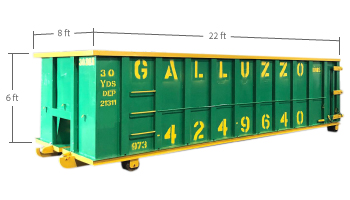
Larger projects, like construction or demolition, might call for a 30-40 lawn dumpster. Additionally, take into consideration the weight capacity of the dumpster, in addition to any particular guidelines or constraints in your area.
Select a Credible Rental Company
Partnering with a credible dumpster rental company is important to guaranteeing a hassle-free waste management experience. A reliable partner will supply you with the appropriate equipment, timely delivery, and reliable waste disposal.
To locate a trustworthy business, beginning by requesting recommendations from close friends, household, or neighbors who have actually lately rented out a dumpster. You can also check online evaluation sites, such as Yelp or Google, to see what past clients need to state about their experiences.
Additionally, confirm the firm's licensing and insurance to ensure they are running lawfully and responsibly. Look for business that offer versatile leasing periods, competitive pricing, and a vast array of dumpster sizes to fit your specific needs.
Be careful of business with affordable price that may compromise on solution quality or covert charges. By doing your study and picking a reliable rental business, you can rest assured that your waste monitoring demands will be met with professionalism and trust and expertise.
Check Local Rules and Permits
Your neighborhood's regulations and laws controling waste disposal can greatly impact your dumpster rental experience.
It's essential to contact your local government or house owners association to determine if any kind of permits or licenses are needed to place a dumpster on your property. Some areas have specific restrictions on dumpster size, positioning, or duration, so it's essential to comprehend these laws prior to renting out a dumpster.
In enhancement, you might require to acquire an authorization or authorization from your local government to place a dumpster on the street or sidewalk.
Failure to adhere to these regulations can lead to fines or penalties, so it's far better to be familiar with them upfront.
Moreover, your rental company might have details needs or limitations based on regional policies, so make sure to inquire about these when you're choosing a dumpster rental company.
Schedule a Convenient Delivery Time
When planning your dumpster rental, it is necessary to arrange a convenient distribution time that straightens with your project's timeline and operations. This assures that the dumpster gets here when you require it, enabling you to focus on your task without unnecessary delays.
Reflect on your task's schedule and identify the most convenience for shipment, taking into account variables such as web traffic, climate, and labor availability.
It's also vital to assess the duration of the rental period and plan appropriately. Will you require the dumpster for a couple of days or a number of weeks?
Be certain to communicate your needs plainly with the rental company to stay clear of any misunderstandings. By scheduling a hassle-free distribution time, you can ensure a seamless and efficient rental experience
This enables you to focus on your task, instead of bothering with logistical information. With a well-planned shipment timetable, you can rest assured that your dumpster will certainly arrive on schedule, ready to help you tackle your project with ease.
Prepare the Shipment Location
Before the dumpster shows up, it's necessary to establish the distribution place prepares and obtainable. This guarantees a smooth delivery process and avoids any type of potential concerns or delays.
To prepare the distribution location, follow these actions:
Clear the area: Get rid of any type of challenges, such as cars, wastebasket, or landscape design, that might be blocking the shipment path or location.
Confirm adequate space: Validate that the shipment place has sufficient area to suit the dumpster, including its size, length, and height.
Check for overhead clearance: Confirm that there are no above blockages, such as high-voltage line, tree branches, or building overhangs, that can disrupt the delivery.
Verify driveway or street access: Validate that the delivery van can access the location, consisting of making sure that the driveway or street is broad sufficient and can sustain the weight of the truck.
Load the Dumpster Efficiently
The dumpster's capacity is a valuable resource that requires careful planning to maximize its use. To pack the dumpster effectively, it's essential to have a clear understanding of the products you need to take care of and their volume.
Start by damaging down larger items right into smaller sized pieces to save room and facilitate a more even distribution of weight. Place heavier items, such as building and construction products, at the bottom of the dumpster to avoid shifting during transport.
Next, fill in voids with smaller items like boxes, bags, or loose particles. Keep in mind that the dumpster ought to not be overloaded, as this can lead to safety and security problems and added fees.
Aim to fill the dumpster to concerning 75% capacity to allow for easy covering and safeguarding of the contents during transportation. By following these standards, you can make the most of your dumpster service and stay clear of prospective problems during the disposal process.
Manage Contaminated materials Materials
Proper waste segregation is vital in dumpster leasings, and hazardous waste materials need unique focus. These products, including batteries, electronics, and chemicals, posture environmental and wellness risks otherwise thrown away correctly.
Improper disposal can result in contamination, surges, or perhaps fires.
To manage contaminated materials products properly, comply with these standards:
Identify hazardous waste: Identify products that are hazardous, combustible, corrosive, or reactive, such as batteries, electronics, chemicals, and fluorescent light bulbs.
Segregate hazardous waste: Keep harmful products different from non-hazardous waste to prevent contamination and guarantee proper disposal.
Use designated facilities: Get rid of hazardous waste at marked facilities, such as recycling facilities or contaminated materials collection sites.
Follow local regulations: Familiarize yourself with neighborhood regulations and standards for contaminated materials disposal, as they may differ depending upon your location.
Extend or End the Rental Period
Several variables can influence the duration of a dumpster rental, and understanding the choices for expanding or ending the rental period is vital for a successful project.
The rental duration might need to be readjusted based on elements such as modifications in project range, unexpected delays, or unpredicted circumstances.
To extend the rental period, it is essential to notify the dumpster rental company asap to guarantee availability and stay clear of extra fees.
Most business provide flexible rental periods, ranging from a couple of days to several weeks and even months.
It is needed to review the rental agreement and understand the expansion plans, including any linked costs.
Conversely, if the project is completed in advance of schedule, it is possible to end the rental duration early
Be sure to alert the firm and timetable a pickup to stay clear of unnecessary daily rental fees.
Understanding the options for prolonging or ending the rental duration will certainly assist you remain on track, avoid unneeded costs, and assure a successful job outcome.
Finalize the Rental Agreement
Most dumpster rental jobs begin with an extensive agreement outlining the terms of the rental.
This arrangement acts as a structure for a successful job, ensuring both celebrations get on the very same page.
It's important to meticulously assess and finalize the rental arrangement prior to waging the rental.
To warranty a smooth procedure, take into consideration the adhering to vital elements of the rental agreement:
Rental Duration: Plainly detail the start and end dates of the rental period to prevent any confusion.
Dumpster Size and Type: Confirm the size and kind of dumpster needed for your job to guarantee it meets your needs.
Pricing and Payment Terms: Recognize the total cost of the service, including any additional fees, and the settlement schedule.
Liability and Responsibility: Develop that is accountable for problems, overflows, or other concerns that might develop throughout the rental period.