Renting a dumpster includes numerous essential elements to take into account, including picking the right size based https://calhounzeke74.gumroad.com/p/dumpster-rental-facilitated-in-5-actions on project extent and waste type, understanding debris restrictions and restricted products, and taking care of rental durations and logistics. Precise estimate of rental duration and weight limits is important to stay clear of added charges, while recognition of local regulations and permitting requirements is necessary to avoid penalties or removal. With numerous expenses and fees to take into account, including distribution, disposal, and obese costs, it is essential to have a clear understanding of the entire process to guarantee an effective and economical dumpster rental experience that meets your distinct needs.
Choosing the Right Dumpster Size
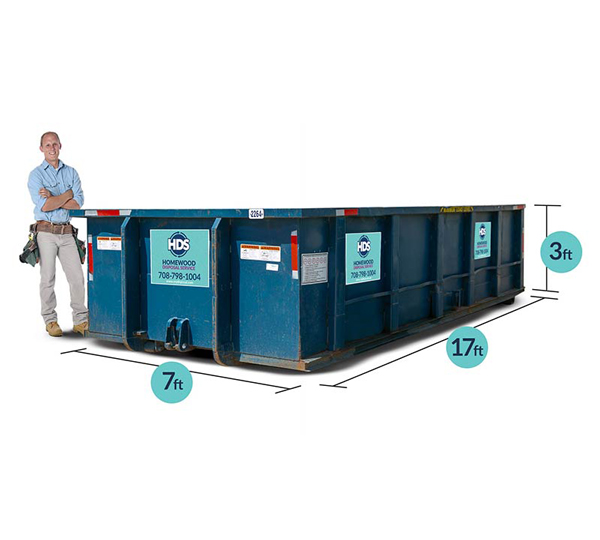
To determine the ideal dumpster size, consider the scope of your task, consisting of the amount and type of waste to be removed.
For small-scale projects, such as cleaning out a solitary room or minor renovations, a 10-15 backyard dumpster may be sufficient.
Larger tasks, like construction or demolition, may need a 20-30 lawn dumpster or even larger.
It's additionally important to take into consideration any kind of space constraints, such as slim streets or tight corners, that may impact dumpster placement and accessibility.
Understanding Particles Restrictions
Debris constraints play a crucial function in making certain that dumpster rentals are used successfully and sensibly. These restrictions differ by dumpster rental company and regional guidelines, so it's important to comprehend what materials are permitted and prohibited in the dumpster.
Generally, most dumpster rental firms approve family garbage, building particles, and backyard waste. Nevertheless, hazardous materials like batteries, electronic devices, and chemicals are purely restricted due to environmental and safety and security concerns.
Additionally, some firms might have specific rules for products like tires, devices, and mattresses, which may require special delivery or disposal. Understanding these constraints in advance can save you from additional fees, penalties, and even having the dumpster rejected.
Be sure to ask your dumpster rental company regarding their details debris restrictions and guidelines to make sure a smooth and certified rental experience. By being aware of these regulations, you can successfully manage your waste disposal needs while additionally securing the environment and community.
Rental Period and Logistics
Most dumpster rental periods array from a few days to numerous weeks, relying on the scope and period of the project.
It's vital to identify for how long you'll require the dumpster to guarantee you have adequate time to finish your project without incurring additional fees Normally, leasings can be prolonged if needed, but it's necessary to communicate with the rental company in advance to prevent any type of penalties.
When planning your rental duration, take into consideration the size of your project, the quantity of debris you expect to produce, and the availability of the dumpster.
Keep in mind that dumpsters might have weight limits, so it is essential to estimate the weight of your waste precisely. Failing to do so may result in added costs or perhaps dumpster removal before the rental period is over.
Logistically, dumpsters are typically delivered and picked up throughout business hours, so strategy as necessary to assure a person is offered to accept the distribution and monitor the pickup.
Be certain to ask about any specific requirements or constraints for dumpster placement on your building to avoid any kind of concerns throughout the rental period.
Costs and Extra Fees
The total cost of a dumpster rental commonly incorporates the rental period, dumpster size, and kind of waste being thrown away. These aspects can vary relying on the particular requirements of your task, and understanding just how they affect the last expense is essential.
Some added costs to consider consist of:
- Delivery and pickup fees: These fees cover the price of delivering the dumpster to and from your site. Overweight costs: If the dumpster surpasses its weight capacity, you might be charged extra. Disposal fees: The price of taking care of the waste can differ relying on the type and quantity. Fuel surcharges: Some rental companies might add a fuel additional charge to the final bill Late fees: Failing to return the dumpster on schedule can cause added charges.
It's important to go over these potential fees with your rental company upfront to stay clear of any type of shocks when the last expense arrives.
Permitting and Zoning Laws
Project site logistics play a necessary duty in dumpster rentals, as local regulations can substantially impact the rental process. Permitting and zoning laws, specifically, can be a hurdle if not appropriately addressed.
Before renting out a dumpster, it's essential to establish if any licenses are needed to position the dumpster on your home or in a particular area. Failure to acquire the necessary permits can cause penalties, fines, or even dumpster removal.
To prevent such issues, it's recommended to speak with your local government or homeowners association (if appropriate) to recognize the policies in your area.
Some towns may call for an authorization for dumpster positioning, while others might have specific restrictions on dumpster size, type, or positioning. Additionally, zoning laws may dictate where dumpsters can be positioned on your building, such as range from sidewalks or bordering properties.